



Is Tallow the Skincare Secret We Forgot?
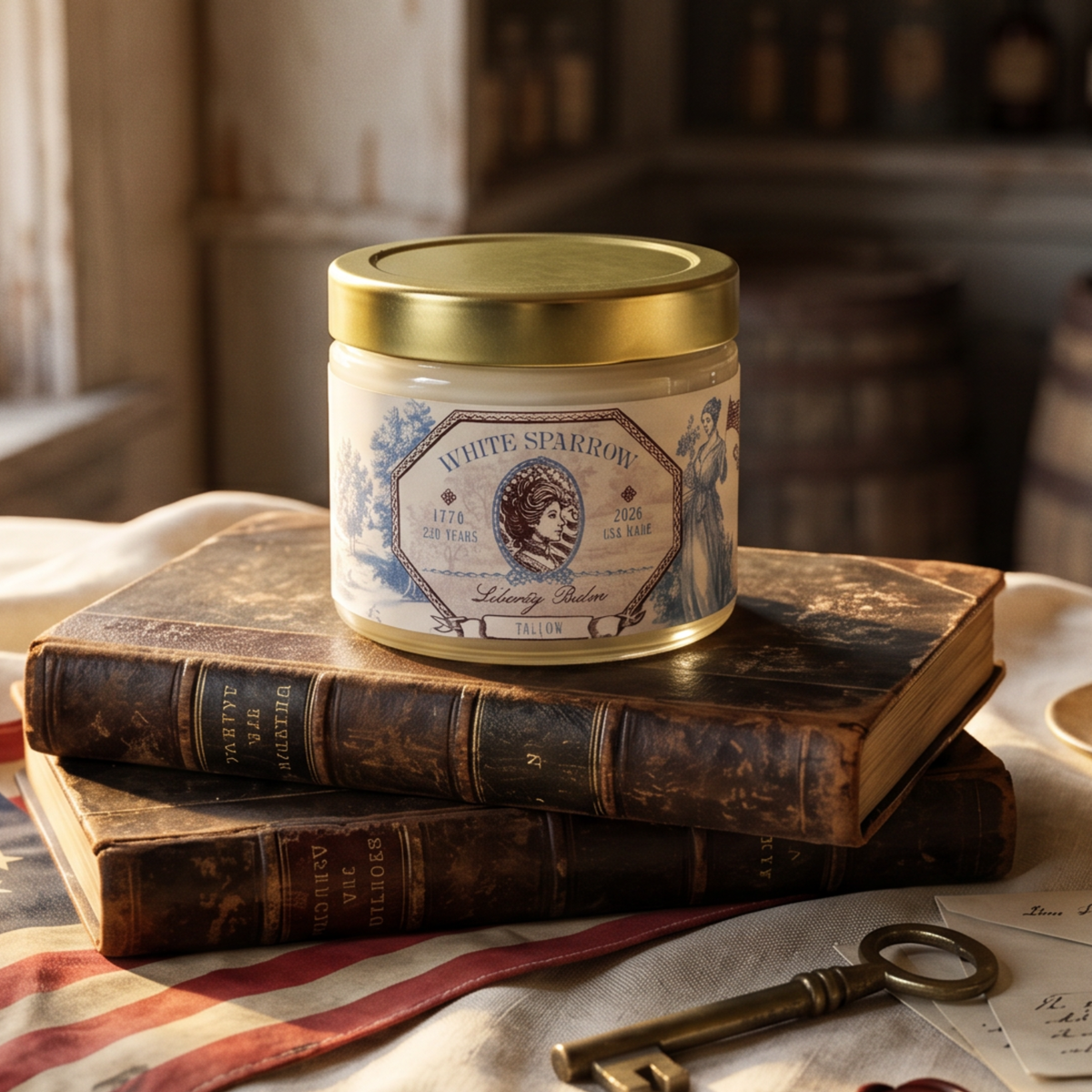
For most of human history, skincare came from the kitchen and the farm, not the lab. Tallow — rendered beef fat — was one of the most trusted. Then, sometime in the last century, cheaper synthetic oils pushed it aside. Was that progress, or did we lose something?
Why our great-grandmothers trusted it
Tallow closely mirrors the natural oils in human skin, so it was the everyday moisturizer for weathered hands, chapped lips, and children's cheeks. It didn't need a marketing budget; it simply worked.
Why it disappeared
Mass production favored oils that were cheap, shelf-stable, and easy to ship. Tallow, which asks for care and quality sourcing, quietly fell out of fashion — not because it stopped working.
Why it's coming back
As more people read their labels and look for fewer, cleaner ingredients, tallow makes sense again. Grass-fed sourcing brings vitamins A, D, E, and K, and the texture melts into skin instead of sitting on it.
Some secrets are worth remembering. Meet the tallow our great-grandmothers would recognize — made the slow, careful way.
Keep reading: Top 5 Reasons to Try Grass-Fed Tallow · Why We Use Tallow