



Is Beef Tallow Safe to Put on Your Skin?
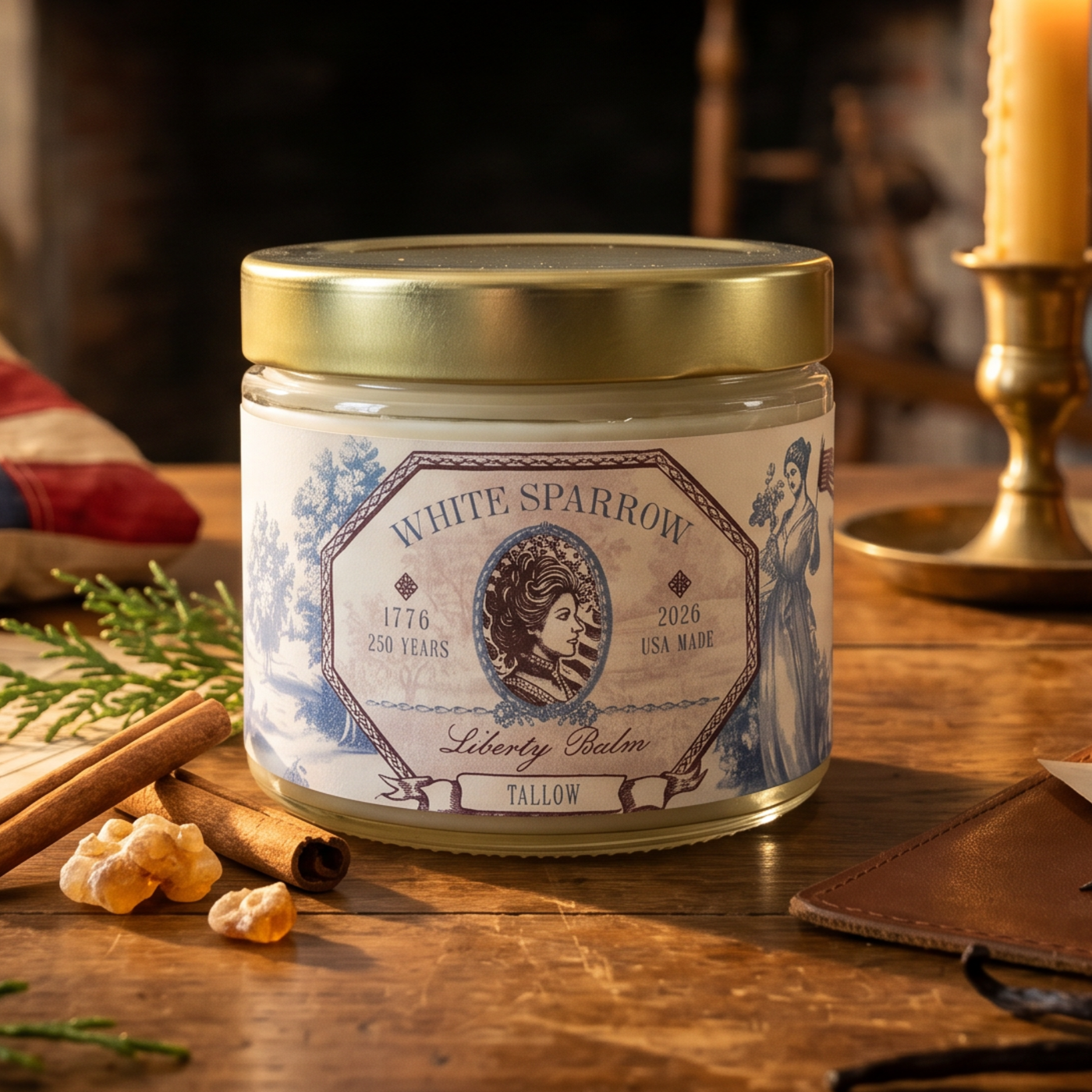
Is Beef Tallow Safe to Put on Your Skin?
Maybe a friend mentioned it. Maybe you stumbled on it while looking for something more natural. Either way, you landed here with a reasonable question: is beef tallow actually safe to put on your skin?
The honest answer is yes — and it has been for a very long time. But let's walk through the concerns one by one. You deserve a real answer, not a sales pitch.
What Even Is Beef Tallow?
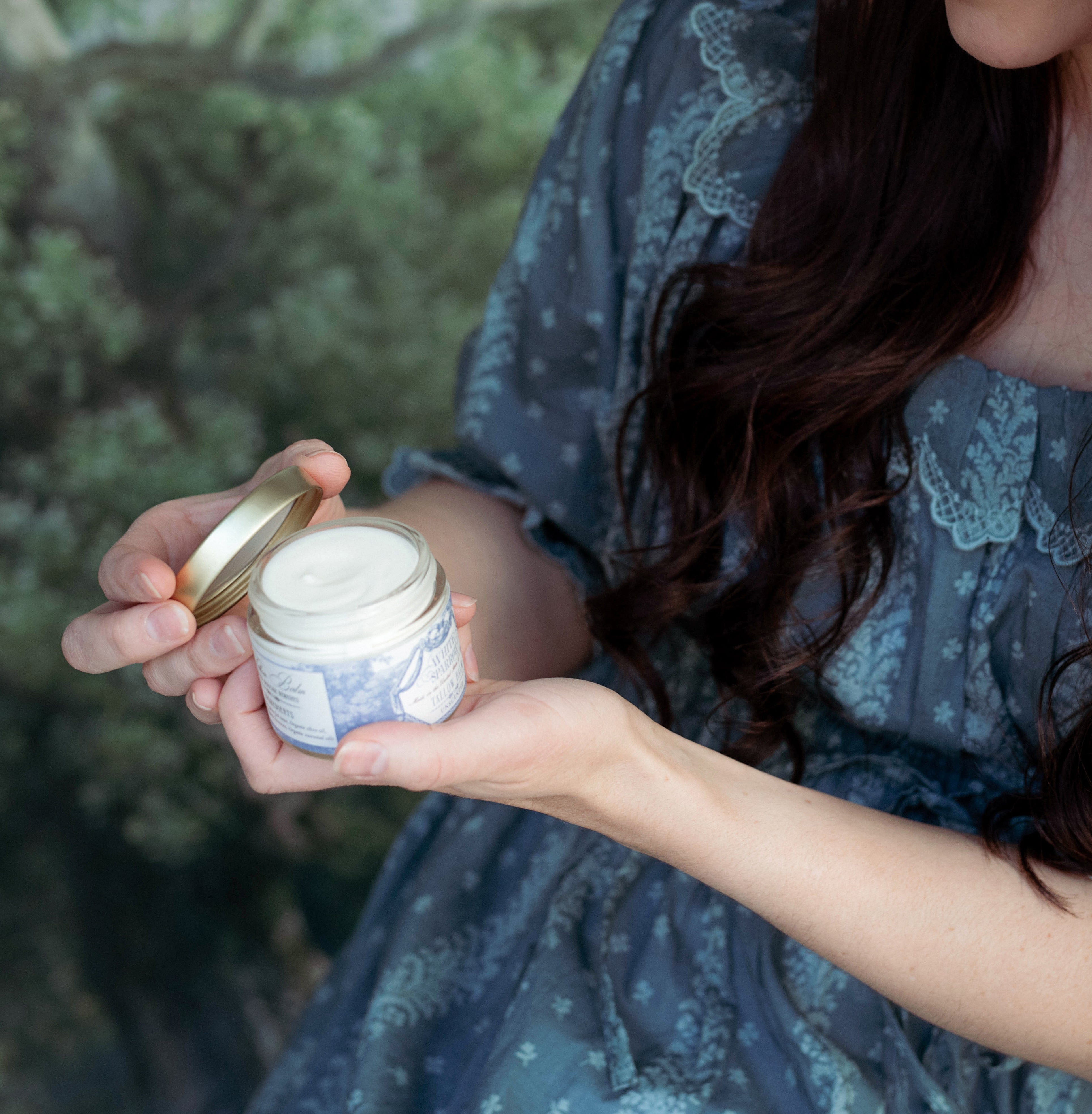
Tallow is rendered fat from cattle. That's it. No lab. No long ingredient list. Just fat that's been slowly melted, strained, and cooled into a smooth, shelf-stable balm.
People used it on their skin for centuries before petroleum-based creams became the norm. It fell out of fashion not because anything went wrong with it, but because the industrial beauty industry found cheaper things to put in bottles.
Want the full background? Read our complete guide: What Is Tallow Skincare? A Complete Guide. It covers the fat-soluble vitamins (A, D, E, K, and B12) that tallow naturally contains — and why your skin recognizes it so well.
What we will do here is address every safety concern we hear from people before they try it.
"It Comes From a Cow — Is That Sanitary?"
This is the first thing most people think. Fair enough.
The key word is rendered. Rendering means the fat is heated to a high enough temperature to kill off bacteria and pathogens. What you end up with is a clean, stable fat — not raw beef scraps.
Quality matters here, though. Tallow from factory-farmed, grain-fed cattle can carry a very different fat profile than tallow from healthy, grass-fed animals. We source our tallow from 100% grass-fed, grass-finished American cattle. We render it ourselves, in small batches, right here in Middleton, Idaho.
So no — you're not slathering raw animal fat on your face. You're using a purified, rendered ingredient that's been used in skin care, soap, and medicine for generations.
"Won't It Clog My Pores?"
This is the objection we hear most often. And it makes sense — the word "fat" triggers alarm bells for anyone who grew up being told to avoid oily products.
Here's the thing: tallow has a fat composition that's remarkably close to human sebum. Sebum is the oil your skin already makes on its own. Your pores are designed to work with it.
Ingredients that clog pores tend to be ones that sit on the surface rather than absorbing — things like mineral oil or heavy silicones. Tallow behaves differently. Because its fatty acid profile mirrors your skin's own oils, it absorbs readily rather than forming a thick barrier on top. Learn more about tallow's biocompatibility here.
That said, everyone's skin is different. If you have very acne-prone skin, start slow. Try a small amount on your jawline or the back of your hand. Give it a few days. Most people with oily or breakout-prone skin are surprised by how well their skin responds.
"What If I Have Sensitive Skin or Allergies?"
Tallow's short ingredient list is actually one of its biggest advantages for people with sensitive skin. Fewer ingredients means fewer things to react to.
Our tallow balm contains grass-fed tallow and a small number of simple, clean additions — no synthetic fragrances, no parabens, no preservatives, no fillers. If you're someone who has reacted to conventional lotions in the past, the culprit was almost certainly one of those extras, not a base fat.
Now, a genuine beef allergy is rare, but it exists. If you have a diagnosed beef allergy, check with your doctor before putting tallow on your skin. For most people with sensitive or reactive skin, tallow is one of the gentlest options available. If you have any doubts, patch test first — a small amount on the inside of your wrist for 24 hours.
"Is It Safe for Babies?"
Yes — and this is actually one of the most common reasons parents come to us.
Tallow has been used on babies for a very long time. Before commercial baby lotions existed, rendered animal fat was what mothers reached for. It's gentle, it absorbs well, and its fatty acid profile is similar to what's naturally found in breast milk.
Because our tallow balm contains so few ingredients, it's a good choice for babies with eczema, diaper rash, or just dry patches that won't quit. There's nothing in it that a baby's skin needs to process or react to. As always, patch test first, and loop in your doctor if your child has any known allergies or conditions being managed.
"Is It Safe During Pregnancy?"
This comes up a lot too. Many pregnant women are rightly cautious about what they put on their skin, especially with products that contain retinoids, essential oils, or chemicals that can absorb into the bloodstream.
Tallow is a simple, natural fat. It doesn't contain synthetic retinoids. It doesn't have added essential oils that are contraindicated during pregnancy (unless a specific version calls for them — always read the label).
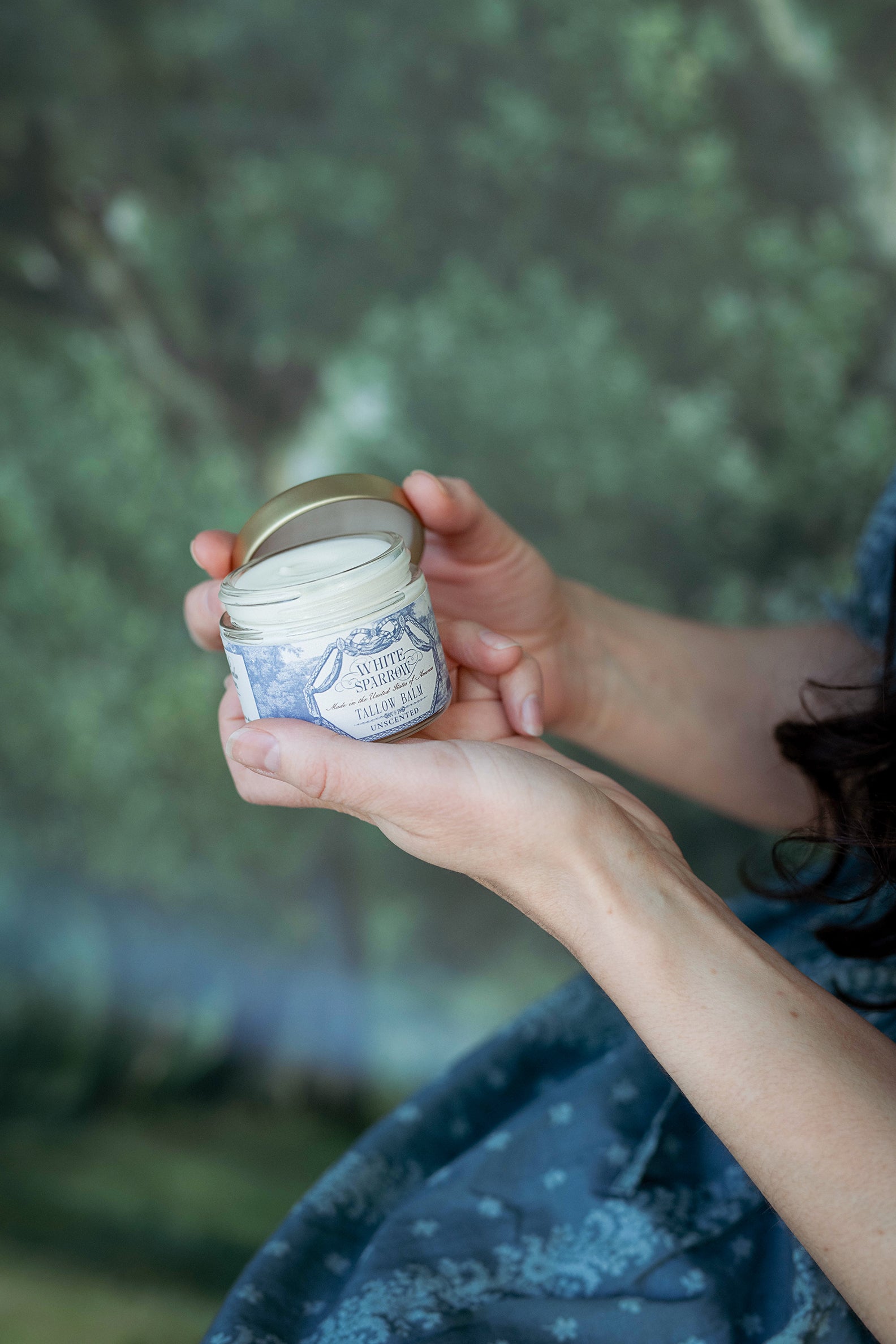
Many of our customers use our tallow balm for belly skin during pregnancy. If you're pregnant and unsure, it's always okay to ask your midwife or OB. But from a pure ingredient standpoint, tallow is one of the simpler, cleaner choices you can make.
"Does It Go Bad? How Long Does It Last?"
Rendered tallow is naturally shelf-stable. Before refrigeration, rendered animal fats were one of the few things that could be stored at room temperature for extended periods without spoiling.
That said, tallow can go rancid over time if it's exposed to heat, light, or moisture repeatedly. Store it in a cool, dry place and keep the lid closed when you're not using it. Don't introduce water into the jar — use clean, dry fingers or a small spatula.
Properly stored, our tallow balm will stay fresh for 12–18 months. If it ever smells off, trust your nose and stop using it. We also back every jar with a 30-day money-back guarantee — if it's not working for you, we'll make it right.
"Is All Tallow the Same?"
No. And this is worth knowing before you buy from anyone.
The quality of tallow depends entirely on the quality of the animal it came from. Cattle that are fed grass their entire lives have a very different fat profile than grain-fed feedlot cattle. Grass-fed tallow tends to be higher in conjugated linoleic acid (CLA) and has a better ratio of omega-3 to omega-6 fatty acids.
We use 100% grass-fed, grass-finished American beef tallow. We render it ourselves in small batches. We know exactly where it comes from and how it's handled. Cheap tallow can come from poor-quality sources, or it may not be rendered cleanly — that matters both for what you're putting on your skin and for whether it performs well.
The Bottom Line
Is beef tallow safe for skin? Yes — when it comes from a clean, grass-fed source and is properly rendered.
It's one of the oldest skin care ingredients in human history. It's biocompatible with human skin. It's free from the synthetic additives that cause most modern skin reactions.
Is it right for everyone? Nothing is. But if you've been looking for something simpler, cleaner, and more in line with how your skin actually works — tallow is worth trying.
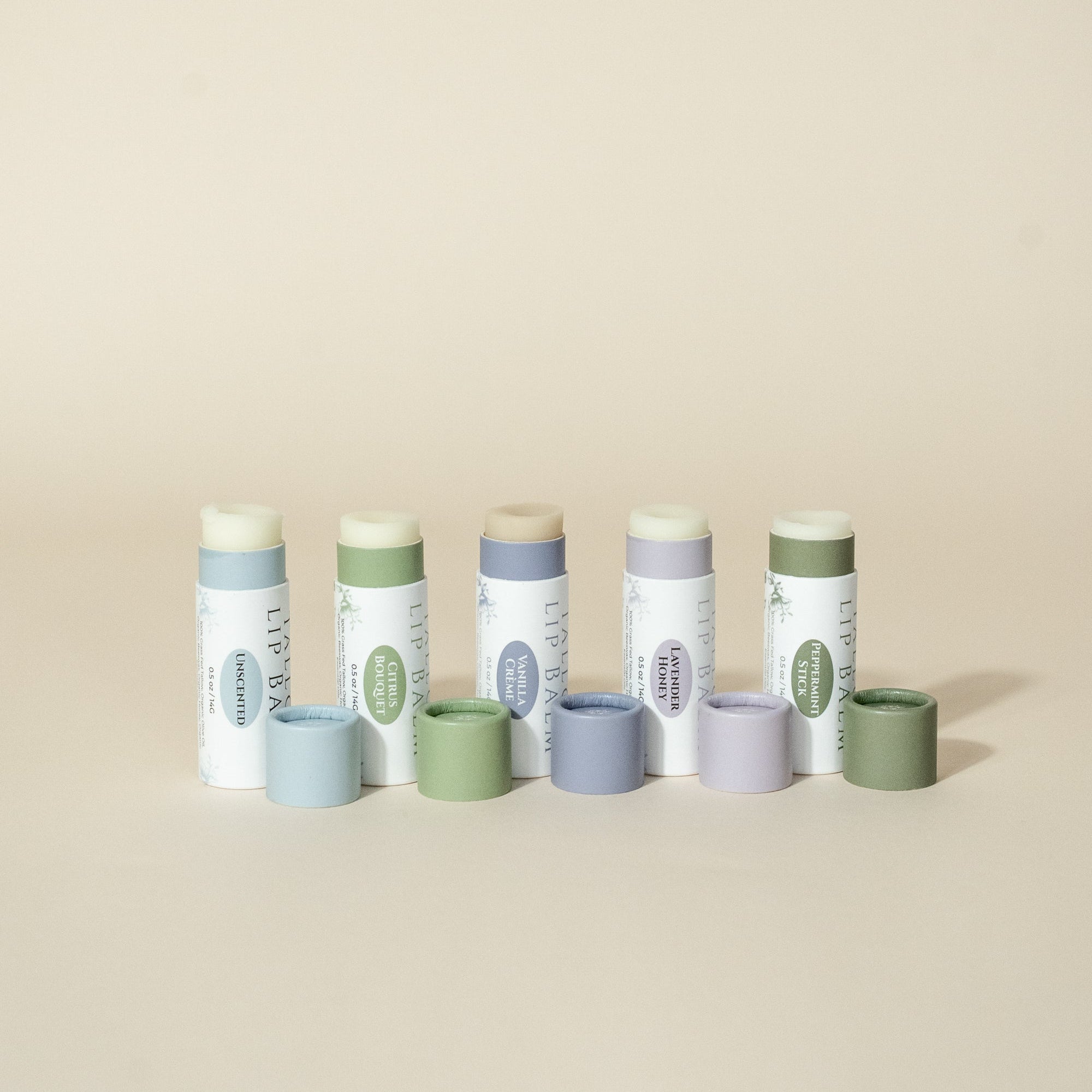
Try White Sparrow Tallow Balm — Risk Free
30-day money-back guarantee. One ingredient. Handcrafted from 100% grass-fed beef in Idaho.
Shop Tallow Balm →Want to know how to actually use it? Read: How to Use Tallow Balm on Your Face (Step-by-Step)
White Sparrow Farmacy is a small, family-run skincare brand based in Middleton, Idaho. Our general store roots go back to 1884. We render our tallow by hand, in small batches, from 100% American grass-fed cattle.